HATTON GALLERY
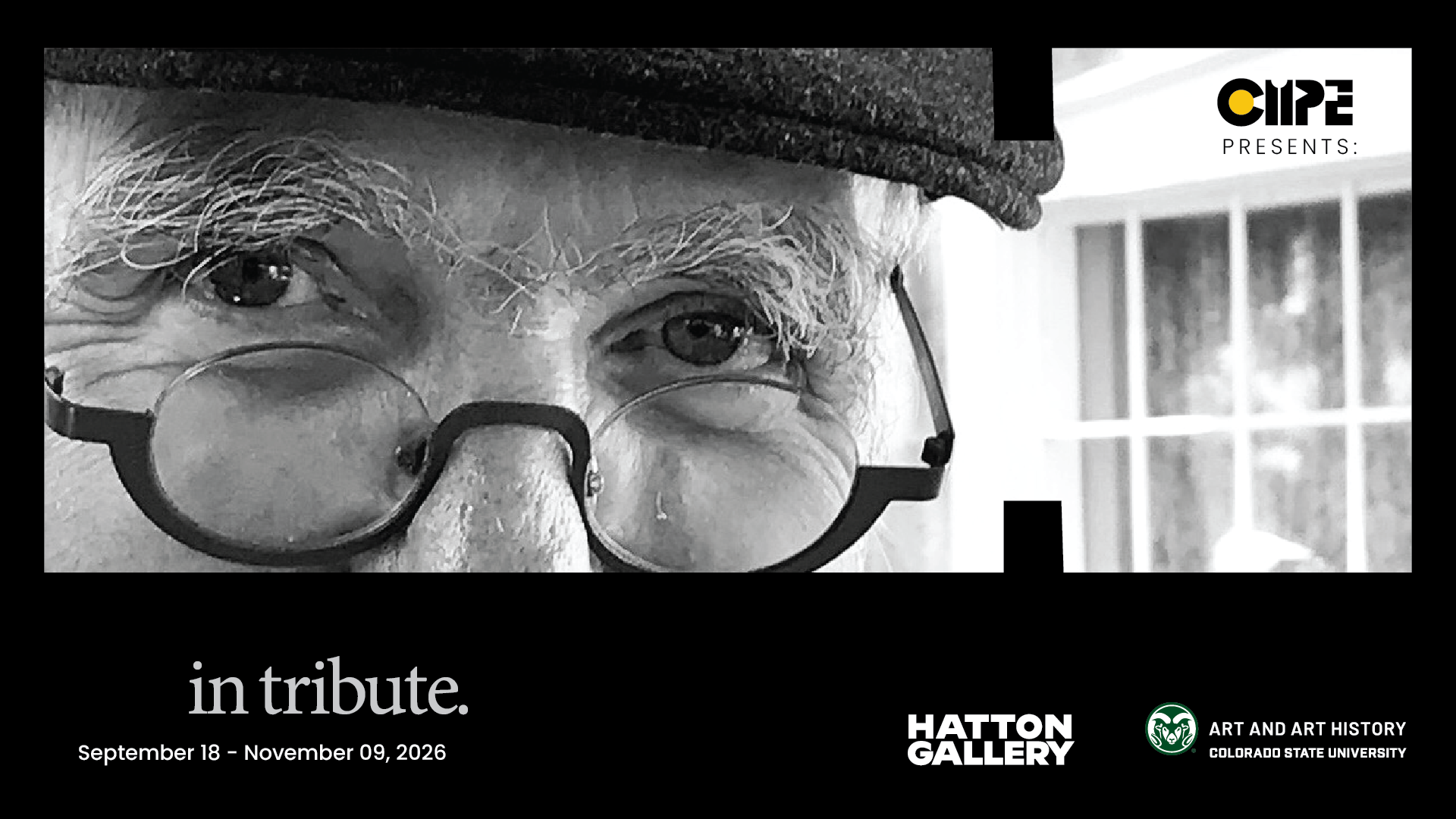
Phil Risbeck Retrospective
September 18 - November 9, 2026
This retrospective brings together a selection of Risbeck’s posters spanning more than 50 years, including early works that have not been exhibited at CSU in decades. Together, they offer a glimpse into both Risbeck’s evolving design practice and the cultural life of CSU reflected in the events, performances and organizations he designed for.

About the Gallery
Visit the Gallery
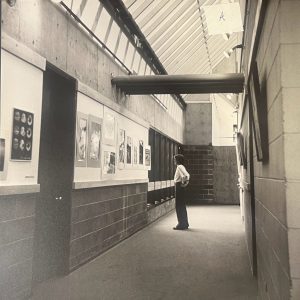
Situated within Colorado State University’s Department of Art and Art History, the Hatton Gallery opened in 1974 and was dedicated to Clara Hatton, artist and educator, to honor her extraordinary vision and leadership in founding the land-grant university’s art department.
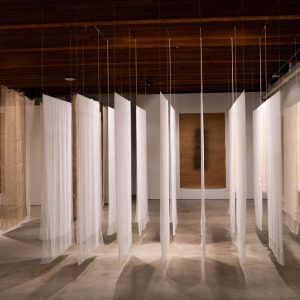
Today, it is a vibrant space for innovative exhibitions and public programs that foster vital artistic expression, bold interdisciplinary collaborations, and thoughtful community engagement around pressing issues of our time.
A key connector between Fort Collins and global artistic voices, the gallery embraces an experimental approach to its role as a curatorial and pedagogical platform.
Through strategic partnerships across CSU and beyond, the Hatton Gallery invites artists, students, and audiences into spaces of inquiry, risk-taking, and artistic growth.
LOCATION
Visual Arts Building, Colorado State University
551 W. Pitkin Street, Fort Collins, CO 80523
HOURS
Monday – Friday: 10 a.m. – 4 p.m.
Open until 7 p.m. for special events.
Closed on installation days, weekends, university holidays, and football game days.
ADMISSION
Free and open to the public.
PARKING & DIRECTIONS
The Visual Arts building is located on the corner of West Pitkin street and Merdian avenue, across the street from Canvas stadium. The best location for visitor parking is the Lake Street Garage, which is a short walk from the Visual Arts Building.
Exhibitions

The Hatton Gallery presents a rotating schedule of exhibitions featuring regional, national, and international artists, as well as faculty and student work.
UPCOMING
Programs & Events
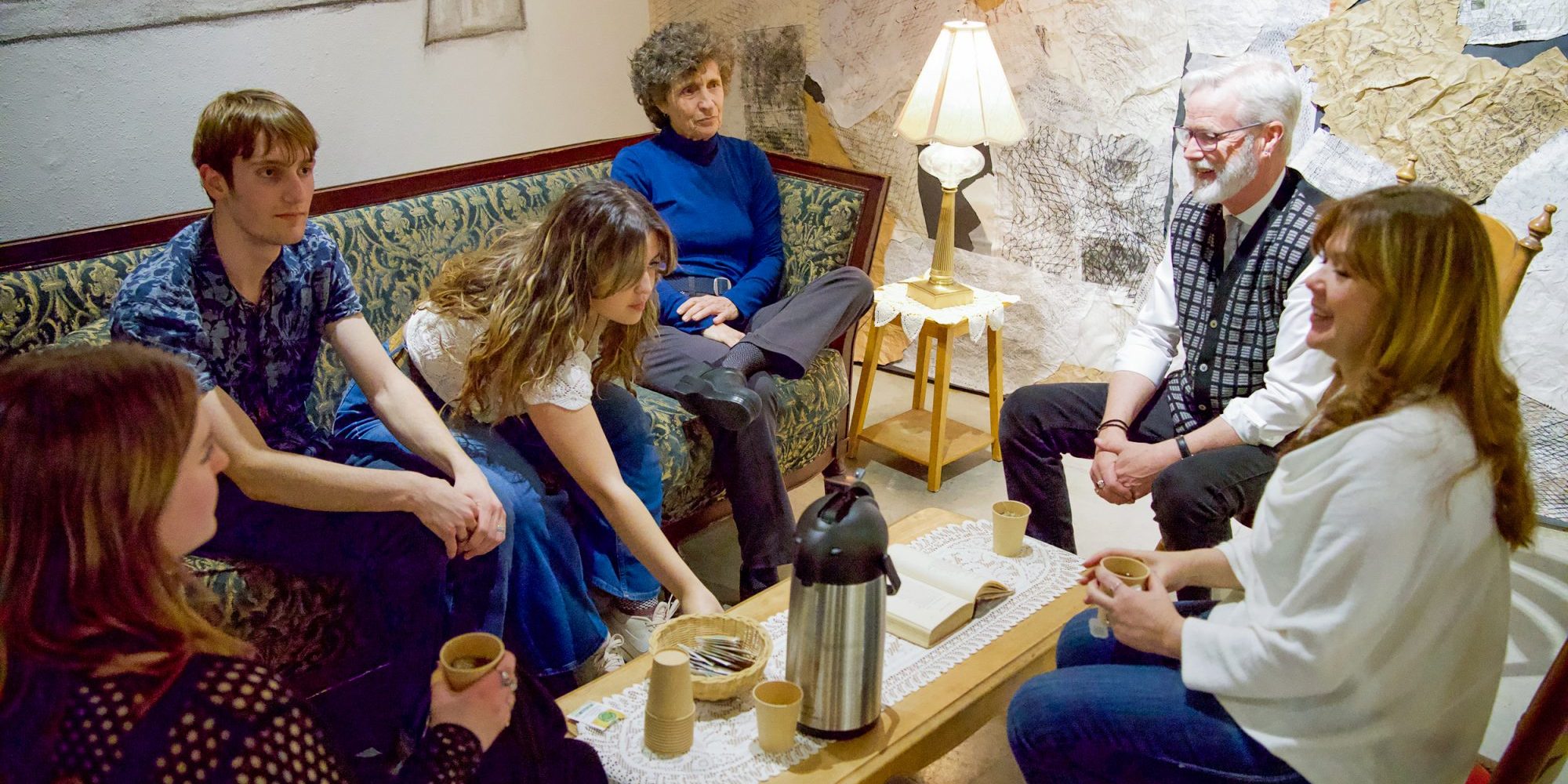
The Hatton Gallery hosts artist talks, panel discussions, workshops, receptions, screenings, and other public programs that expand exhibition themes and foster dialogue among artists, students, and community members.